1 hr
Akihabara Go-Kart Street Tour
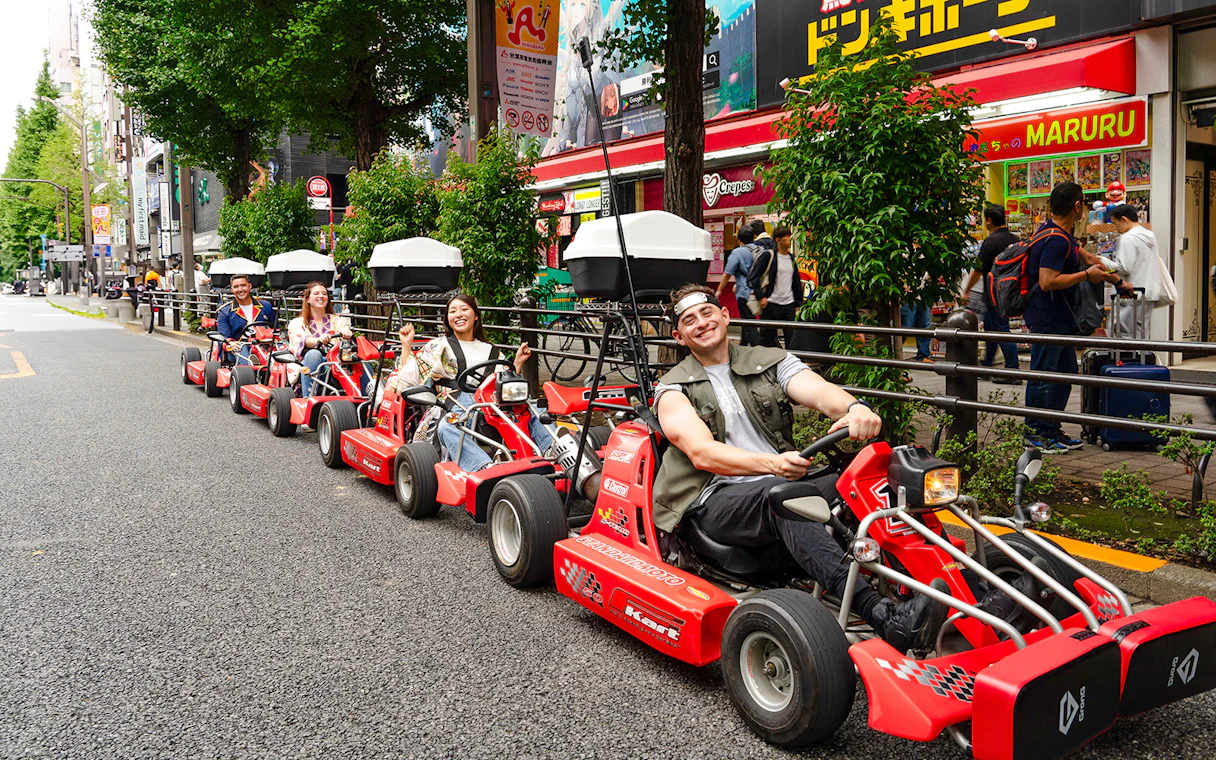
Navigate Tokyo's iconic districts in a mini kart, passing through Akihabara, Ueno, and Asakusa's temples.
Reserve
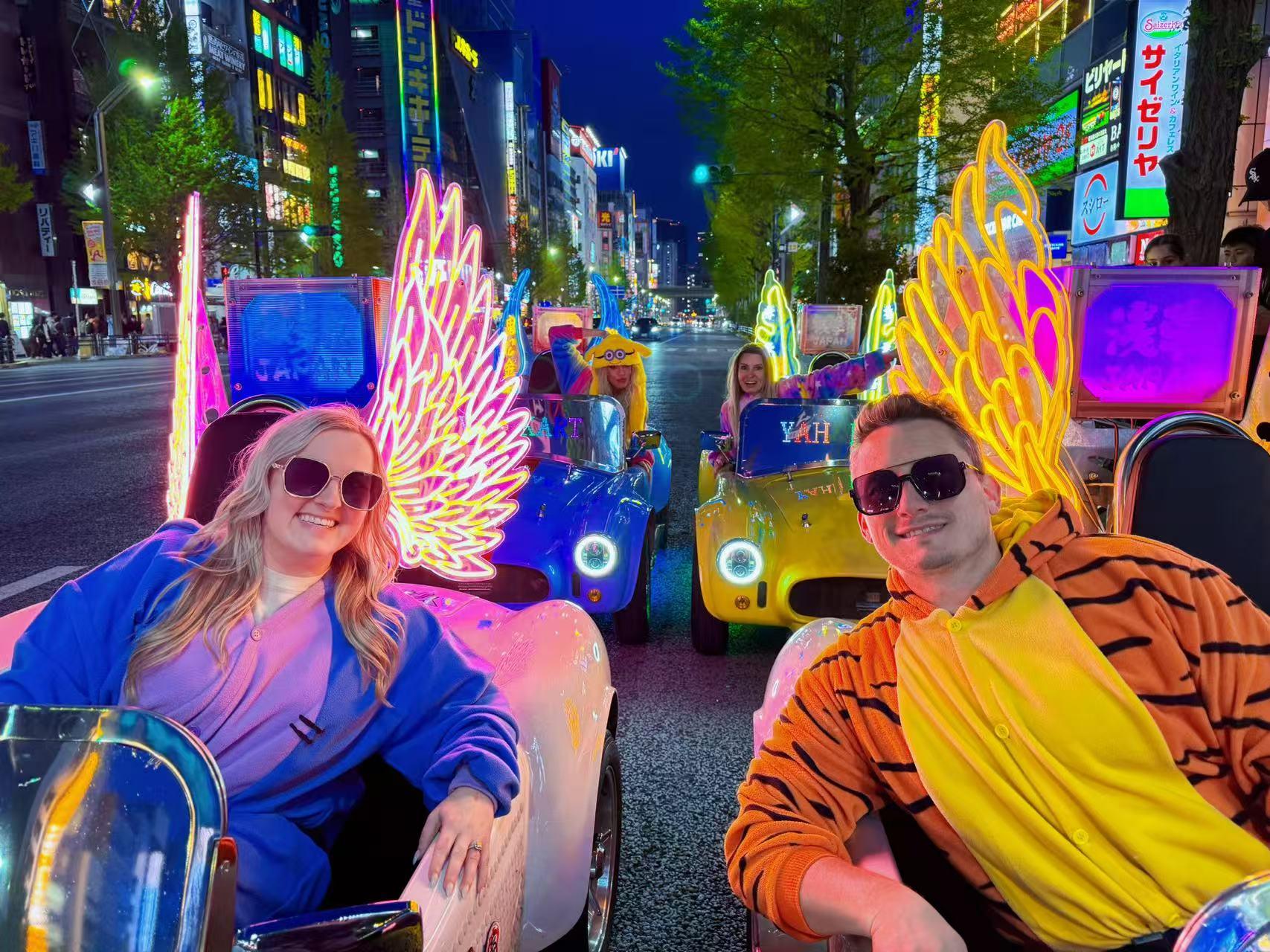
Drive Tokyo's electric district in character, neon all around
Hand-picked by our editors — only the best 3 street karting experiences from 12 reviewed.
Verified partners for Akihabara Go Kart tours, free cancellation where available, and instant confirmation on every booking.
1 hr
Navigate Tokyo's iconic districts in a mini kart, passing through Akihabara, Ueno, and Asakusa's temples.
Reserve
1 hr
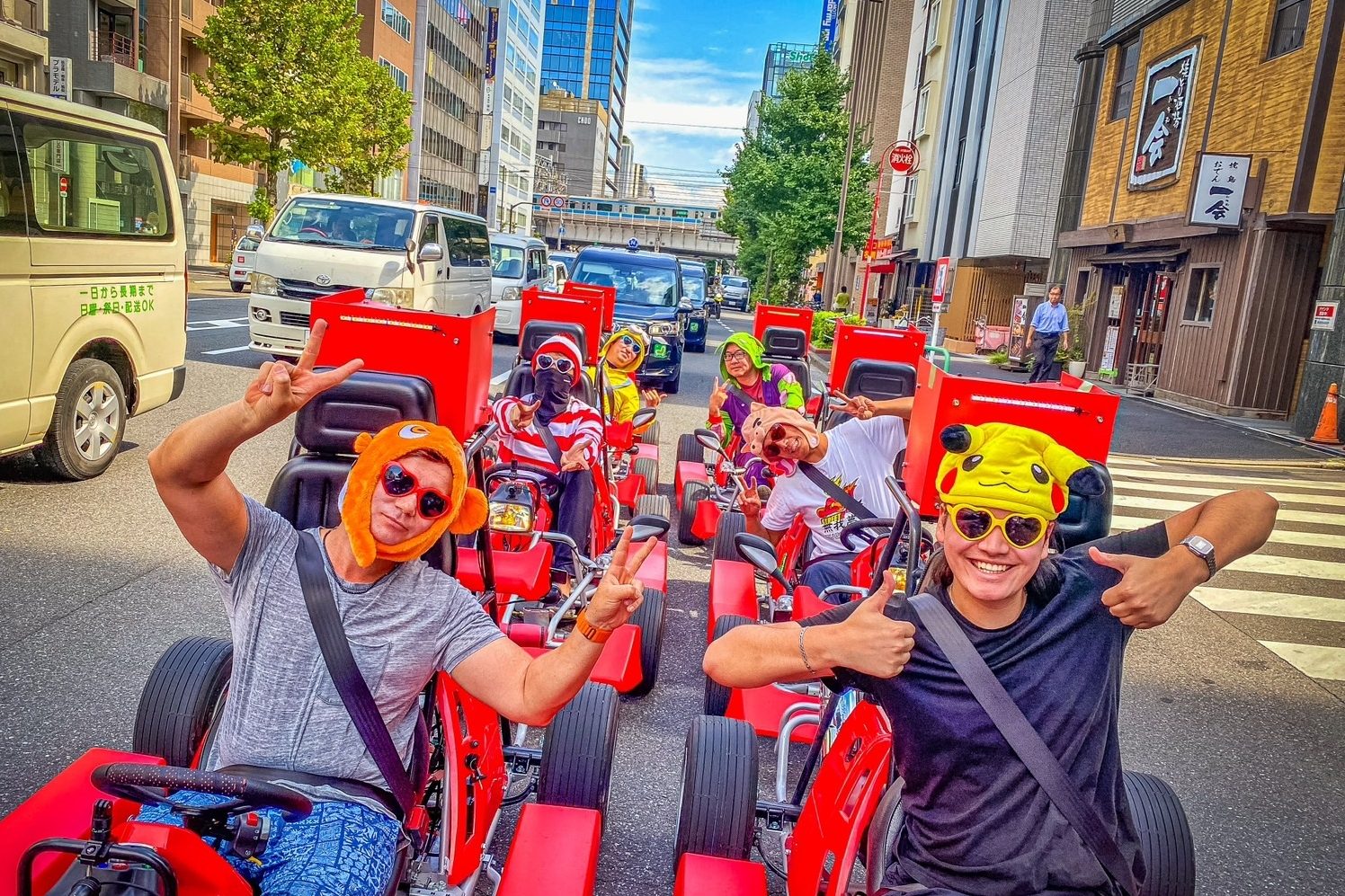
Race through Tokyo's iconic districts in a street-legal go-kart while dressed as your favorite anime character
Reserve
2 hr 30 min
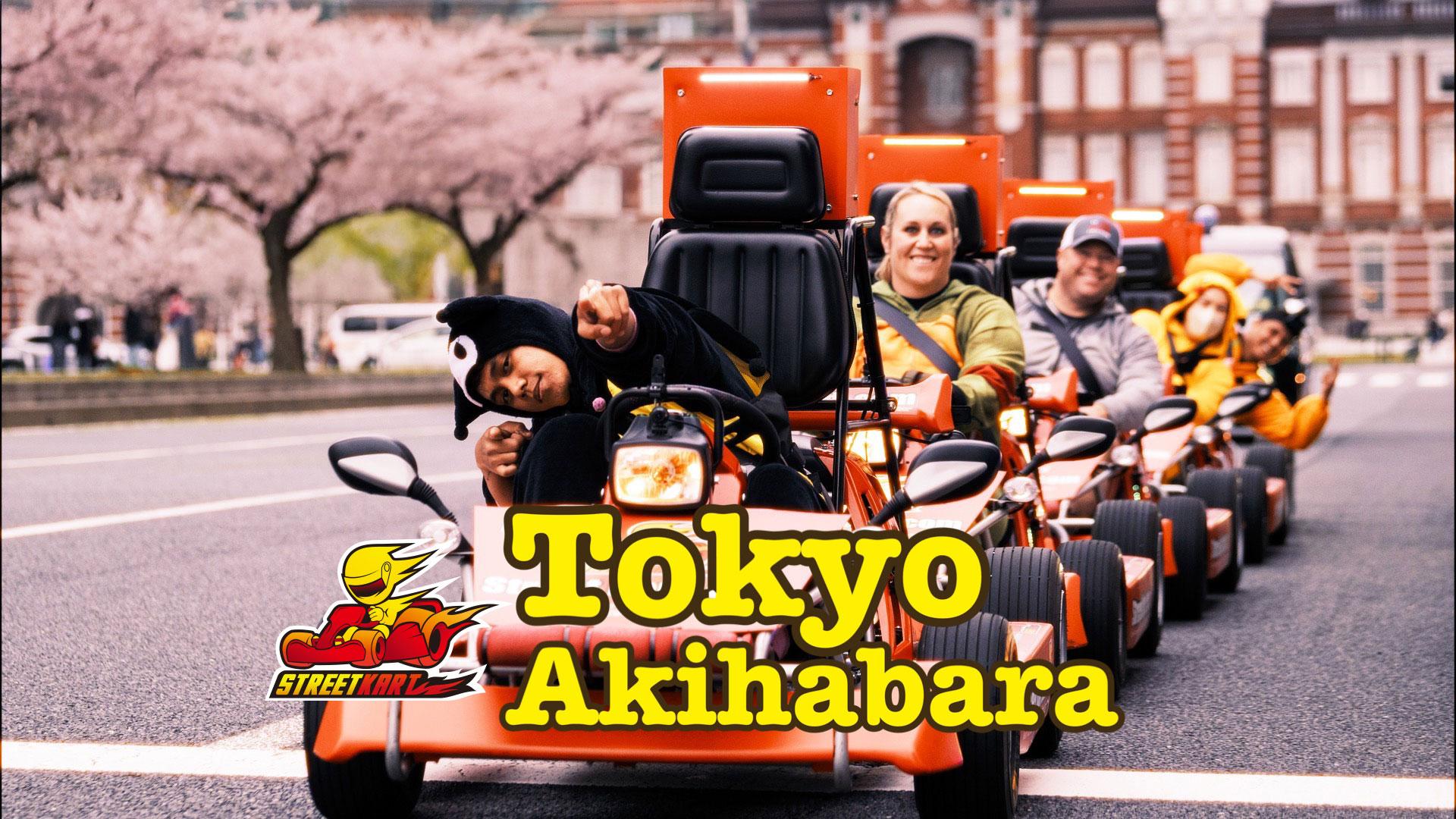
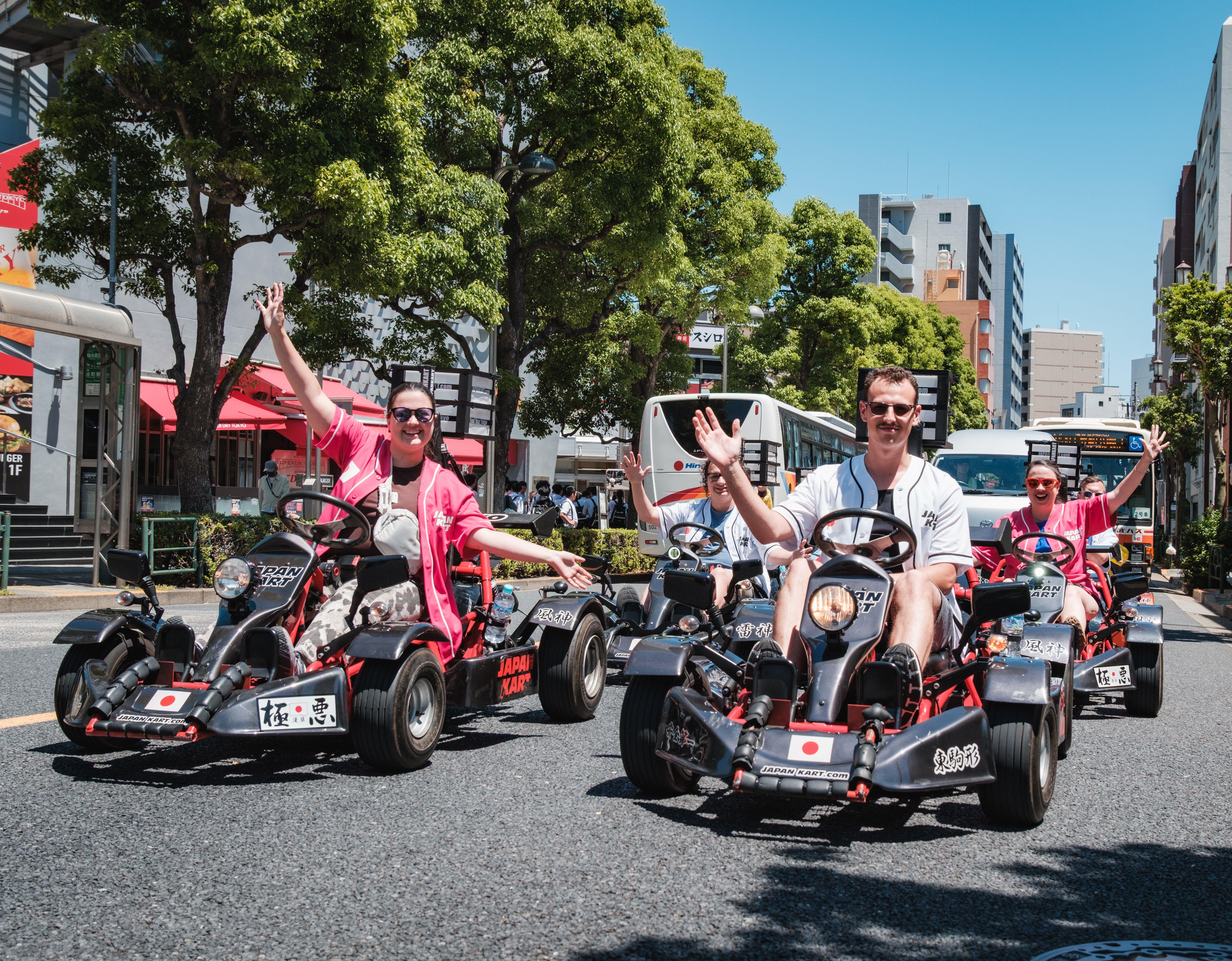
Race through Tokyo's iconic districts in a street-legal go-kart, from neon-lit Akihabara to historic Asakusa.
ReservePrices from verified partners. Availability updates in real time at checkout. Free cancellation policies apply where shown.
The landmarks, rooms, and views travelers on Akihabara Go Kart tours remember — all visible on a single visit.
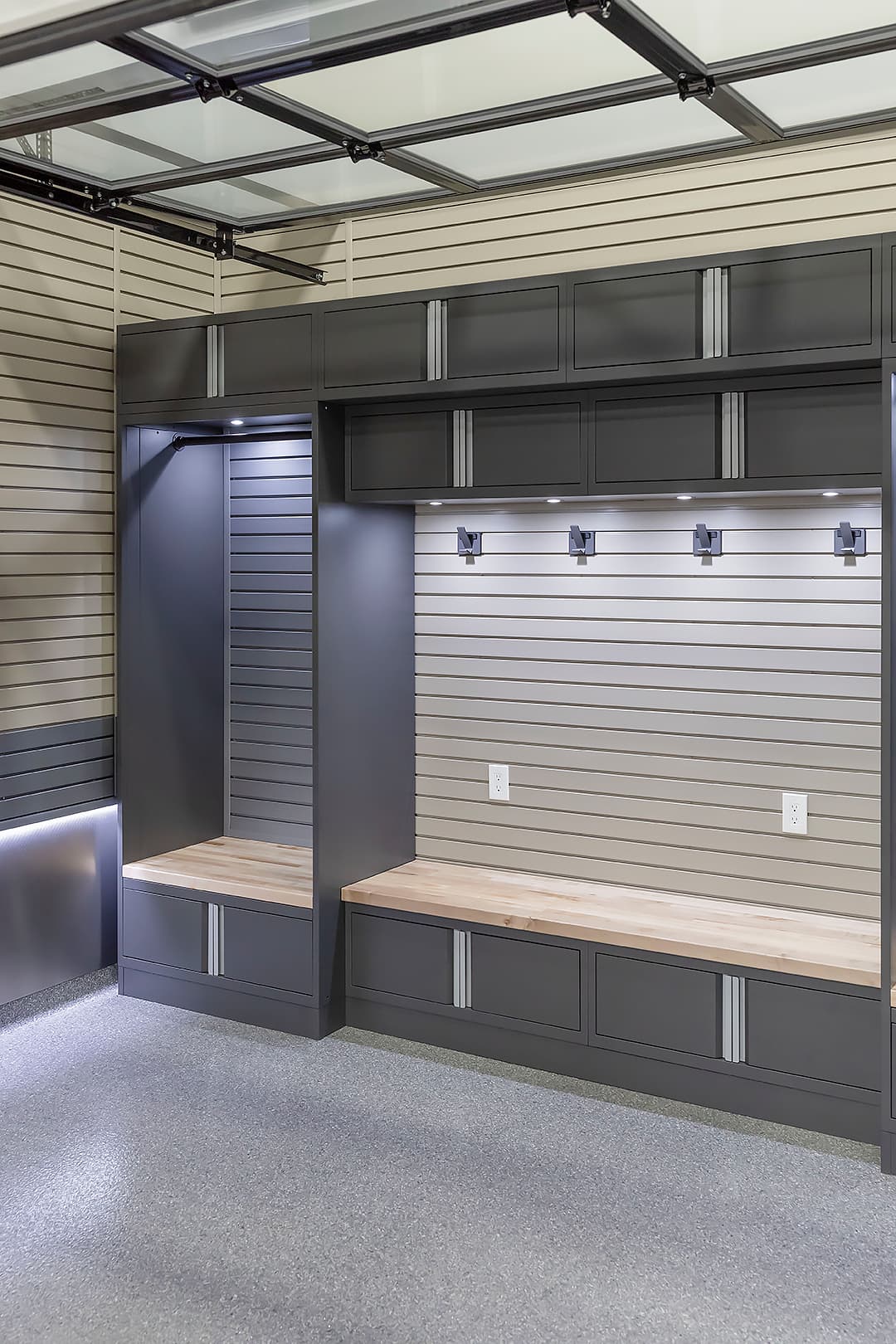
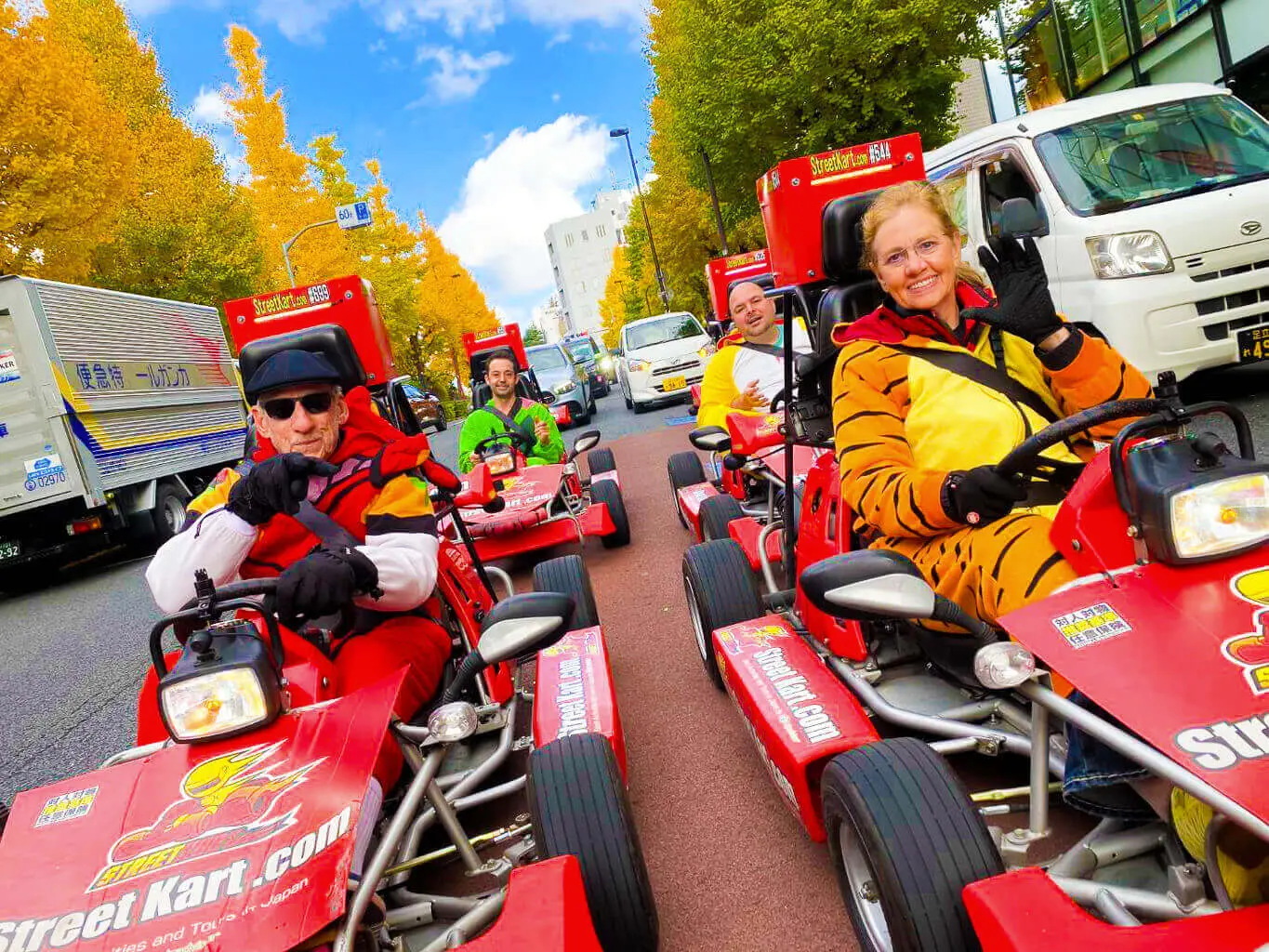
The staging area where you select costumes and complete your safety training.
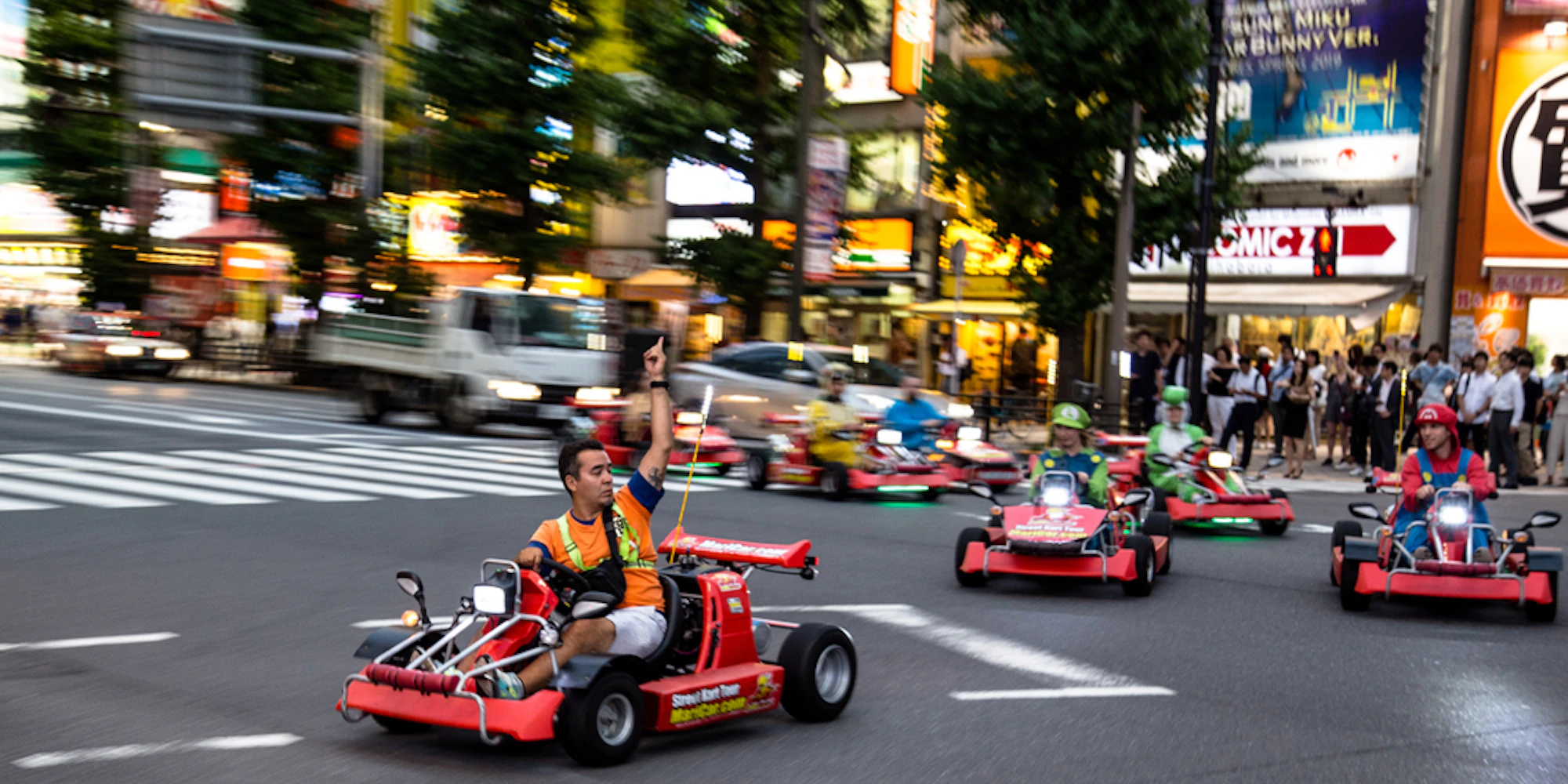
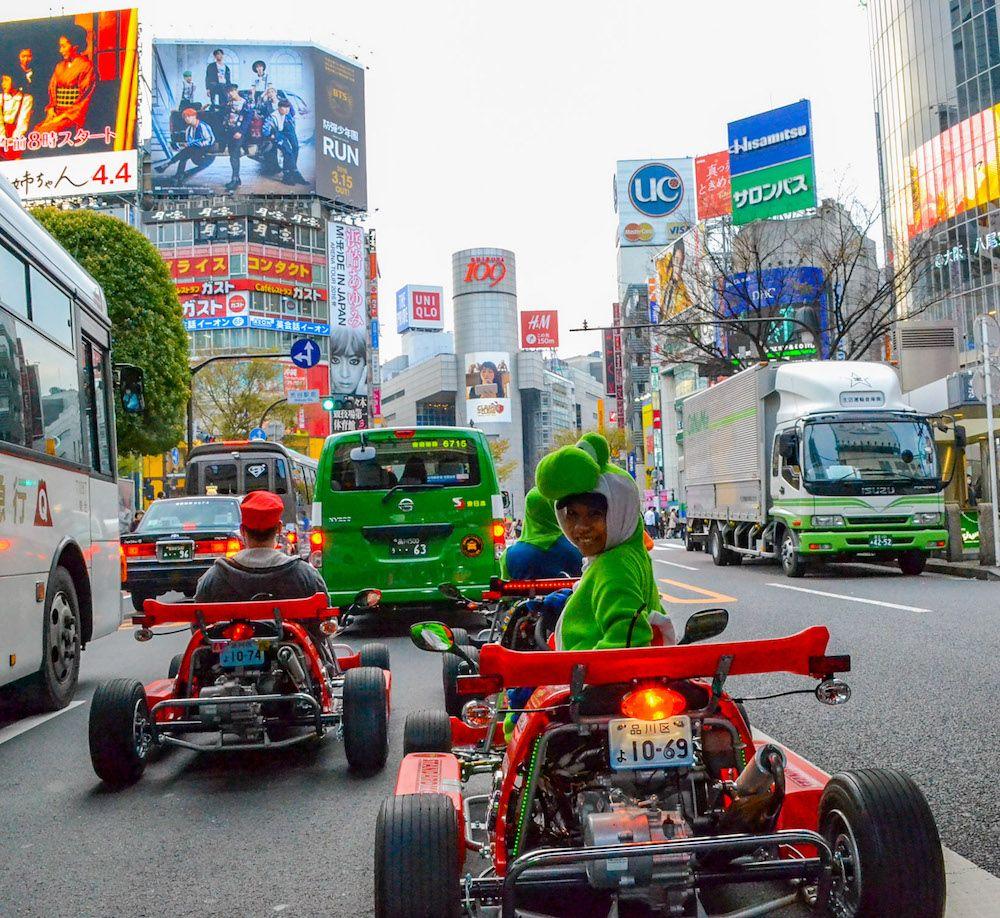
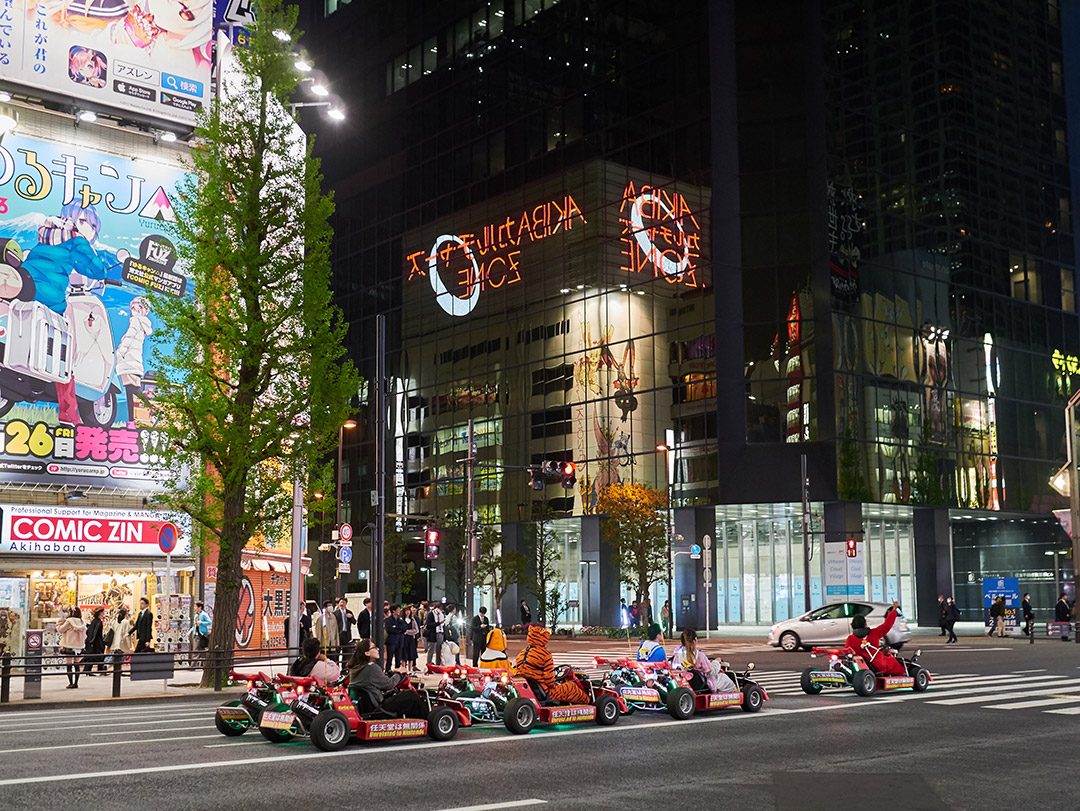
Navigate the bustling streets of Akihabara on the public road network.
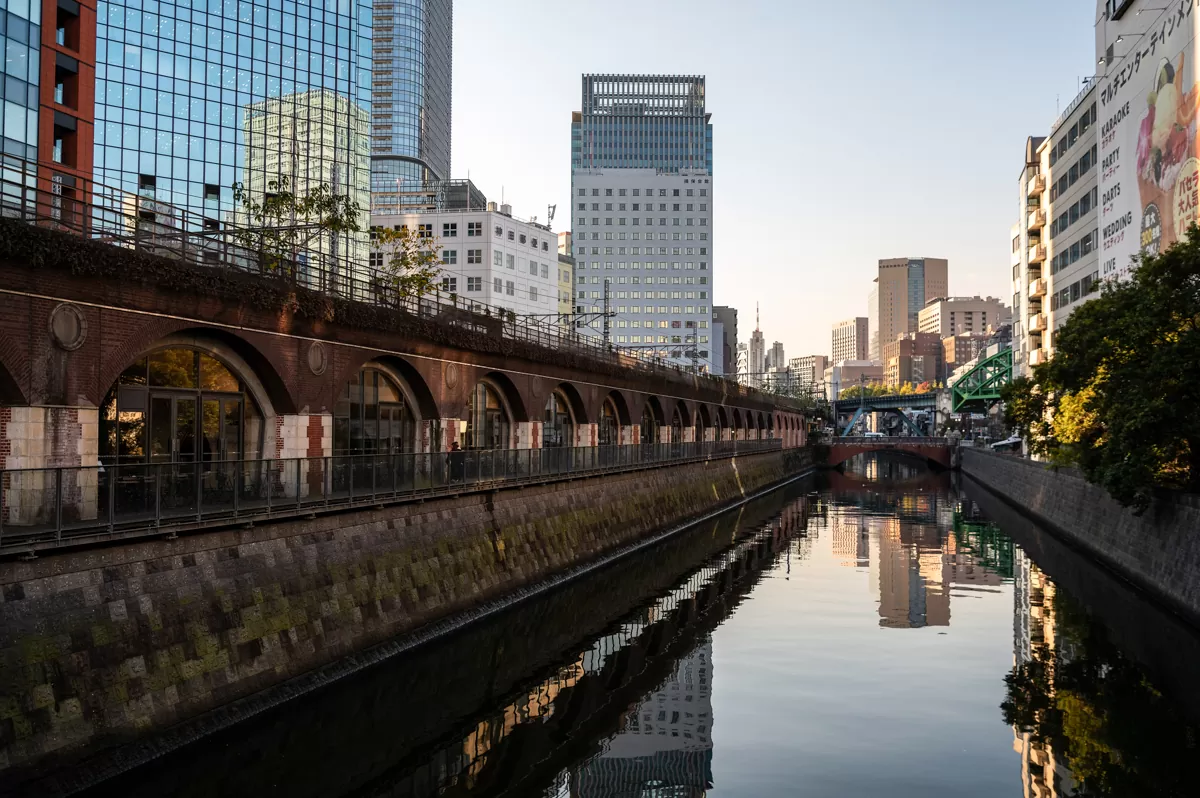
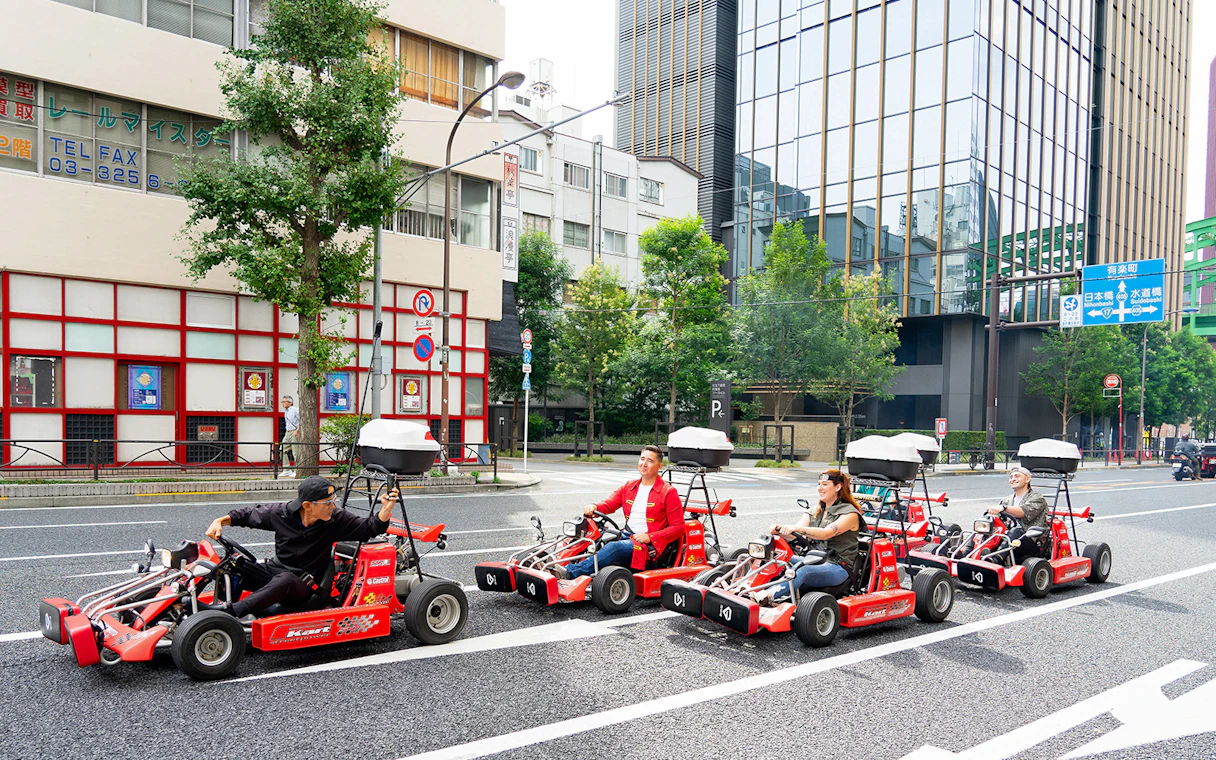
Drive past historic bridges and urban waterways located near the heart of the city.
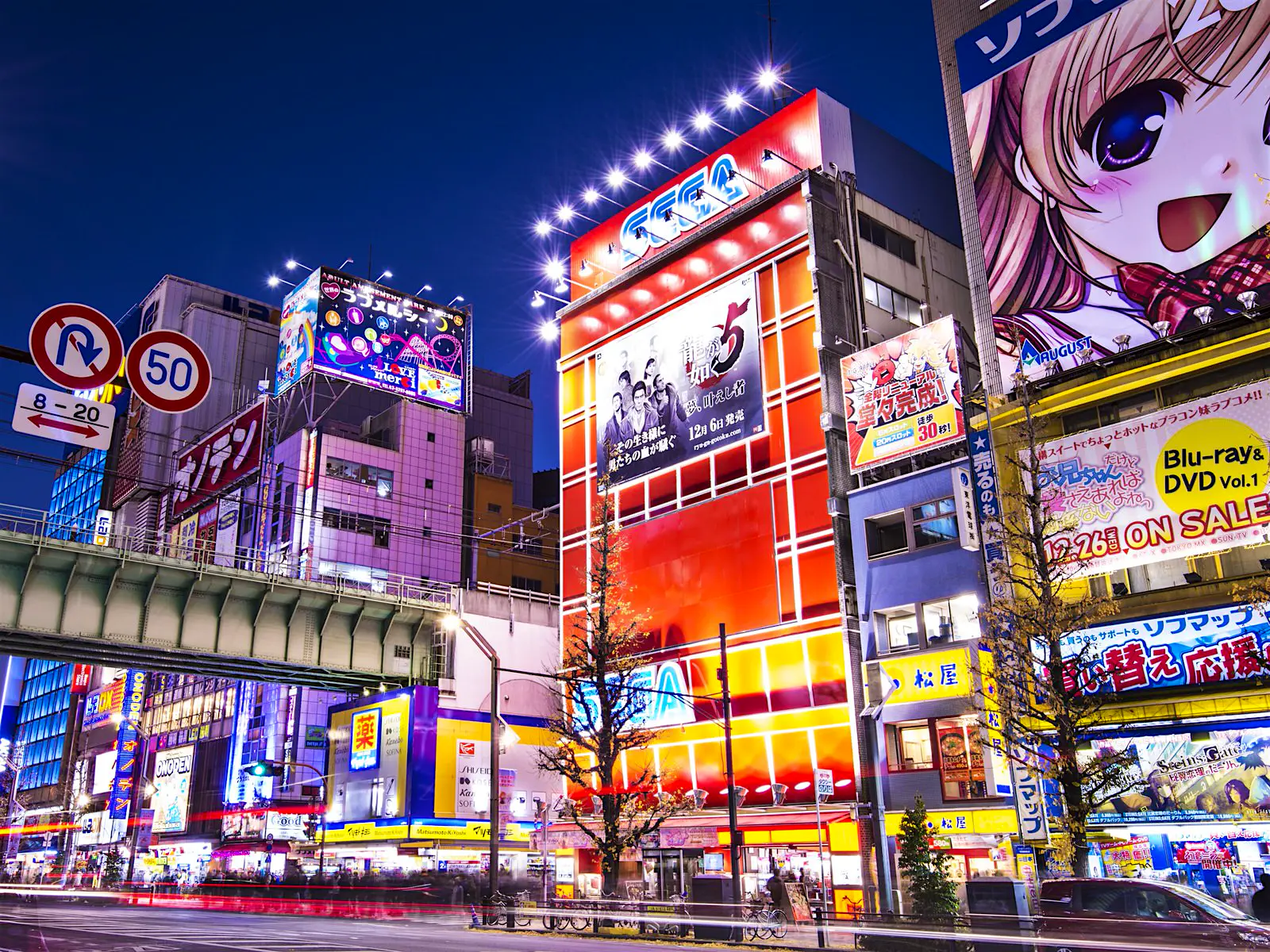
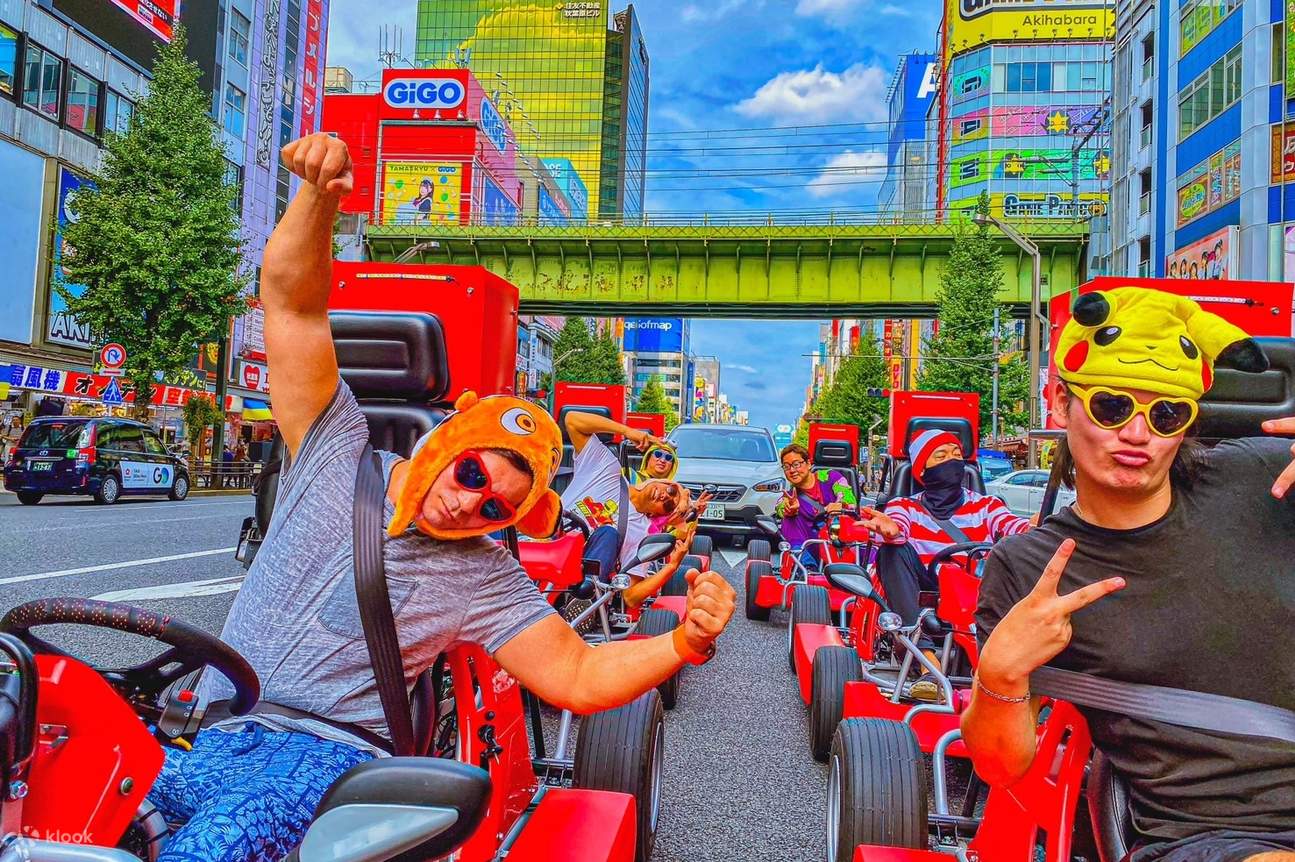
Pass through the center of the electronics district with its neon-lit architecture.
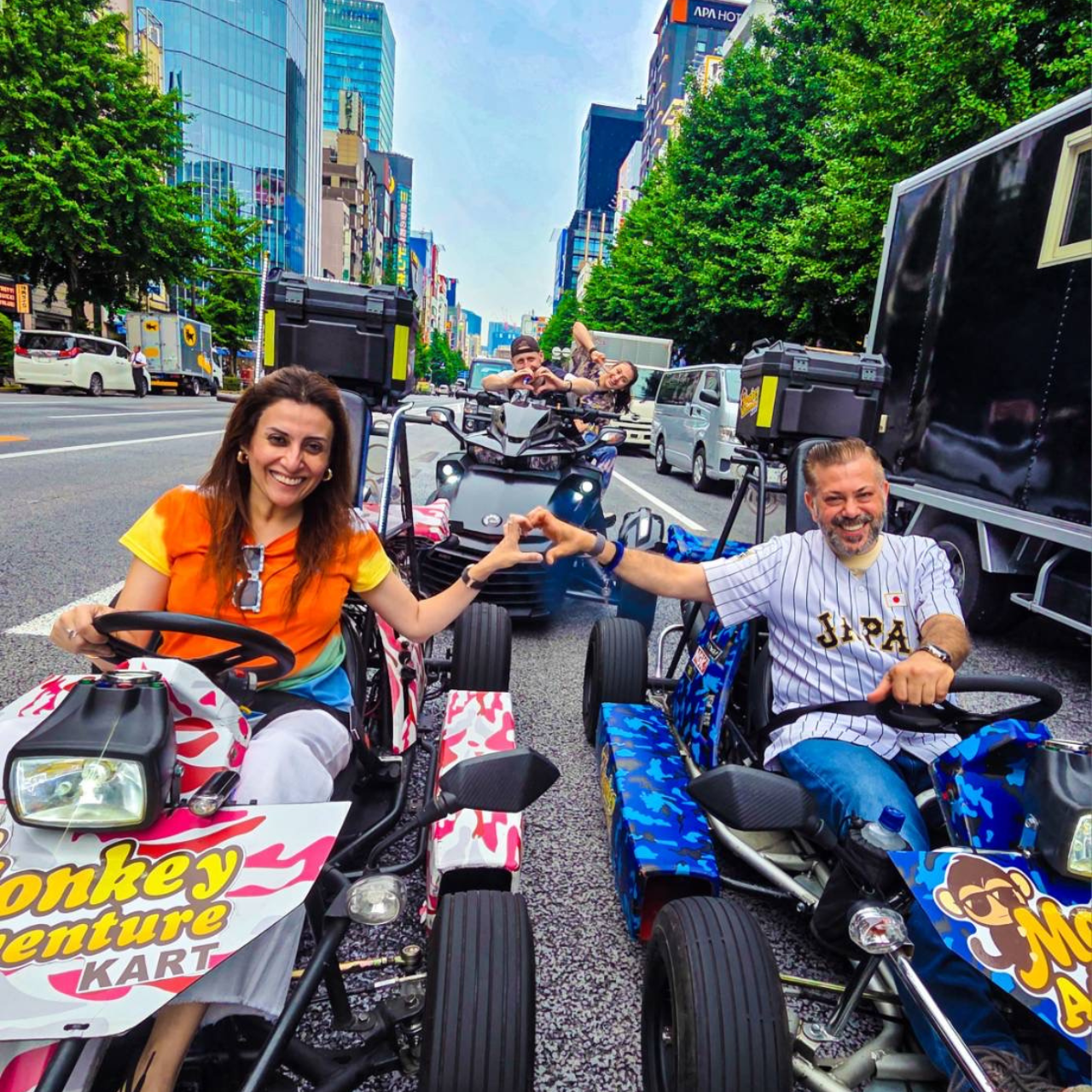
A diverse collection of custom-styled go-karts ready for the street.
Every Akihabara Go Kart tour side-by-side — duration, what's included, how you redeem.
| Experience | Duration | Rating | Guide | Free cancel. | Price | |
|---|---|---|---|---|---|---|
|
Standard Entry Most popular
Akihabara Go-Kart Street Tour
|
1 hr | ★ 4.9 | ✓ | ✓ | €55 | Book → |
|
Standard Entry
Akihabara Street Go-Kart Tour in Costume
|
1 hr | ★ 5.0 | ✓ | ✓ | €51 | Book → |
|
Standard Entry
Tokyo Street Go-Kart Adventure
|
2 hr 30 min | ★ 4.7 | ✓ | ✓ | €54 | Book → |
All prices from verified partners. Availability and exact terms confirmed at checkout.
Street Kart Tokyo provides a more extensive city-wide circuit for those seeking landmarks, while the akihabara go kart tour focuses on the electric energy of the district. Most visitors prefer the latter for its focused, manageable ride duration.
| Feature | Top pick Akihabara Go Kart | Street Kart Tokyo |
|---|---|---|
Route Coverage |
Akihabara district loop | Major Tokyo districts and landmarks |
International Driving Permit Requirement |
Required for all drivers | Required for all drivers |
Costume Selection |
Extensive themed collection | High-quality character costumes |
Safety Briefing Duration |
30 minutes pre-tour | 30 minutes pre-tour |
Photo Opportunities |
Frequent stop-and-go points | High-traffic landmark spots |
Booking Flexibility |
High availability via akihabara go kart tickets | Moderate availability due to demand |
| See tickets → |
Verdict: Choose the local akihabara go kart tours if you want a concise city experience, or book the competitor for a wider navigation of Tokyo neighborhoods.
Choose your ticket, select your date, and reserve in under two minutes. Secure checkout handled by our verified partner.
Instant confirmation by email, with a mobile voucher you can save offline. No printing, no queuing at a collection desk.
Arrive at the entrance, show your voucher on your phone, and walk in. Most tickets include priority or skip-the-line access.
Practical details for Akihabara Go Kart tickets straight from our verified partners — hours, access, rules, and how to get there.
4-12-9 Sotokanda, Chiyoda City
Main garage entrance
Open in Google MapsUse the JR Yamanote Line to reach Akihabara Station.
Wear comfortable, flat-soled shoes suitable for operating go-kart pedals. Avoid long skirts or loose clothing that could interfere with the vehicle's machinery.
Large backpacks and bulky luggage are prohibited inside the go-karts. Please use secure lockers or store your belongings before your akihabara go kart tour.
You are encouraged to bring a GoPro or attachable camera for your street go-kart tour. Handheld photography while operating the vehicle is strictly forbidden for safety reasons.
Participants must be physically capable of entering and exiting the low-profile karts independently. Please inform the staff of any physical restrictions before booking your akihabara go kart tickets.
Mobile phones must be securely mounted or stored during operation. Using a mobile device to navigate or record while driving is prohibited.
Drivers must hold a valid driver's license recognized in Japan to operate the go-karts. Small children are not permitted to drive, and age/height restrictions may apply for passengers.
Eating and drinking are not permitted while inside the go-karts. Please finish any refreshments before the safety briefing for your akihabara go kart excursion.
Animals are not allowed on the tour for safety and hygiene reasons. Please make alternative arrangements for your pets.
The akihabara go kart experience requires strict adherence to local traffic laws. Always follow the lead instructor and maintain a safe distance from other vehicles.
Best time to go, insider tips, nearby landmarks, and the cancellation fine print — flip through to skim what matters to you.
How crowds, weather, and events shift across the year.
Mild temperatures and cherry blossoms make for ideal driving conditions in April.
Small details that turn a good visit into a great one.
Ensure your International Driving Permit is the 1949 Geneva Convention type.
Non-bookable sights within a short walk — free to visit, easy to pair.
A historic Shinto shrine featuring ornate architecture and colorful gates.
Flexible, no hidden fees.
Cancellations made 24 hours prior to the scheduled tour receive a full refund of the 12,500 JPY entrance fee. Late cancellations or no-shows are generally non-refundable.
Hand-picked options within walking distance — pick a district for vibe, or a specific hotel for convenience.
Conveniently located near the station for travelers.
Street-legal go-karts first appeared on Tokyo's public roads in 2011, when a small operator secured permits allowing drivers with international licenses to pilot low-profile karts through Chiyoda's gridded blocks.
Within three years, costumed karting had become one of Akihabara's most photographed phenomena, with drivers dressed as video-game characters threading between delivery trucks and taxis at speeds capped by law at forty kilometers per hour. The karts themselves—imported from Italy and modified to meet Japanese vehicle codes—sit just thirty centimeters off the asphalt, placing drivers at eye level with pedestrian crossings and storefront displays.
Akihabara's role as the cradle of cosplay karting is no accident. The district's dense concentration of anime retailers, arcade halls, and electronics bazaars created a built environment where fantasy aesthetics already saturated the streetscape. Facades wrapped in manga heroines and LED billboards cycling through game trailers provided a backdrop that made costumed drivers feel less like novelty and more like logical extension. By 2015, operators were offering pre-ride costume wardrobes stocked with licensed character suits, capes, and helmets airbrushed to resemble franchise iconography. The experience became a hybrid of motorsport and street theater, with participants performing for sidewalk cameras as much as navigating intersections.
Routes typically begin at the operator's Sotokanda garage, a low-slung facility tucked behind Akihabara Station's Electric Town exit. Drivers complete a fifteen-minute safety briefing in Japanese and English, covering hand signals, convoy protocol, and the prohibition on drifting or sudden lane changes. Most circuits then lead southwest toward the Imperial Palace moats, east through Kanda's quieter commercial blocks, and back along Chuo-dori, Akihabara's main artery, where foot traffic peaks in late afternoon. The tour is not a race—lead guides set the pace, and group cohesion is enforced by radio—but the sensation of piloting an open-cockpit vehicle through one of the world's busiest urban centers delivers a visceral jolt absent from enclosed car travel.
Regulatory shifts in 2024 tightened international license requirements and introduced mandatory GPS tracking for all rental karts. Operators now verify documents with greater scrutiny, and routes are logged in real time to prevent deviation into restricted zones near government buildings or school corridors. These measures reduced the number of active providers but elevated safety standards across the industry. For visitors, the result is a more controlled yet still exhilarating encounter with Tokyo's street grid, where the thrill lies not in speed but in proximity—to pedestrians, to architecture, to the hum of a city that permits this strange fusion of play and transportation.
"The sensation of piloting an open-cockpit vehicle through one of the world's busiest urban centers delivers a visceral jolt absent from enclosed car travel."
A step-by-step walkthrough of Akihabara Go Kart tickets — what you'll see, how long each stage takes, and the details that matter.
You arrive at the Sotokanda garage thirty minutes before your scheduled departure, passing through a door marked only by a small kart decal. Inside, a wall of costumes—capes, jumpsuits, character helmets—waits beside a counter stacked with clipboards and laminated route maps.
You choose your outfit, sign the waiver, and listen as the guide walks your group through throttle control, turn signals, and the two-tap horn used to signal stops. The karts are lower than you expected, their fiberglass shells barely clearing your knees when you fold yourself into the seat.
The convoy pulls out onto Chuo-dori just after ten, slotting into traffic behind a taxi and ahead of a delivery van. The engine hum is thin and high, vibrating through the steering column as you accelerate to thirty kilometers per hour. Pedestrians turn, phones rise, and you feel the strangeness of being both driver and spectacle. The guide leads you south past Manseibashi Bridge, where the Kanda River reflects the tower blocks above, then east into narrower streets lined with izakayas and vintage electronics shops. You navigate a hairpin at walking speed, the kart's tight wheelbase making the turn feel sharper than it is.
The return leg takes you back along the district's commercial spine, where the afternoon crowd thickens and the buildings lean close. You pass beneath an overpass wrapped in anime murals, the kart's low profile turning the city into a canyon of glass and steel. The tour ends where it began, ninety minutes after departure, your hands stiff from gripping the wheel and your face wind-flushed despite the modest speed.
The facility is open daily from 09:00–22:00.
Yes, a valid driving license recognized under Japanese law is mandatory for the akihabara go kart experience.
You can purchase akihabara go kart tickets directly through the official site at https://streetkart.com.
The starting price for a standard street go-kart tour is 12,500 JPY per person.
The attraction is located at 4-12-9 Sotokanda, Chiyoda City, Tokyo 101-0021, Japan.
Arrive 30 minutes before your scheduled tour slot for safety briefing and costume selection.
Drivers must be of legal driving age in Japan to participate in any akihabara go kart tour.
Cancellations are subject to the operator's policy regarding the 12,500 JPY entrance fee.
You may bring a securely mounted camera, but handheld devices are not permitted while driving the akihabara go kart.
Tours may proceed in light rain, but the operator will notify you if extreme conditions force a closure.